
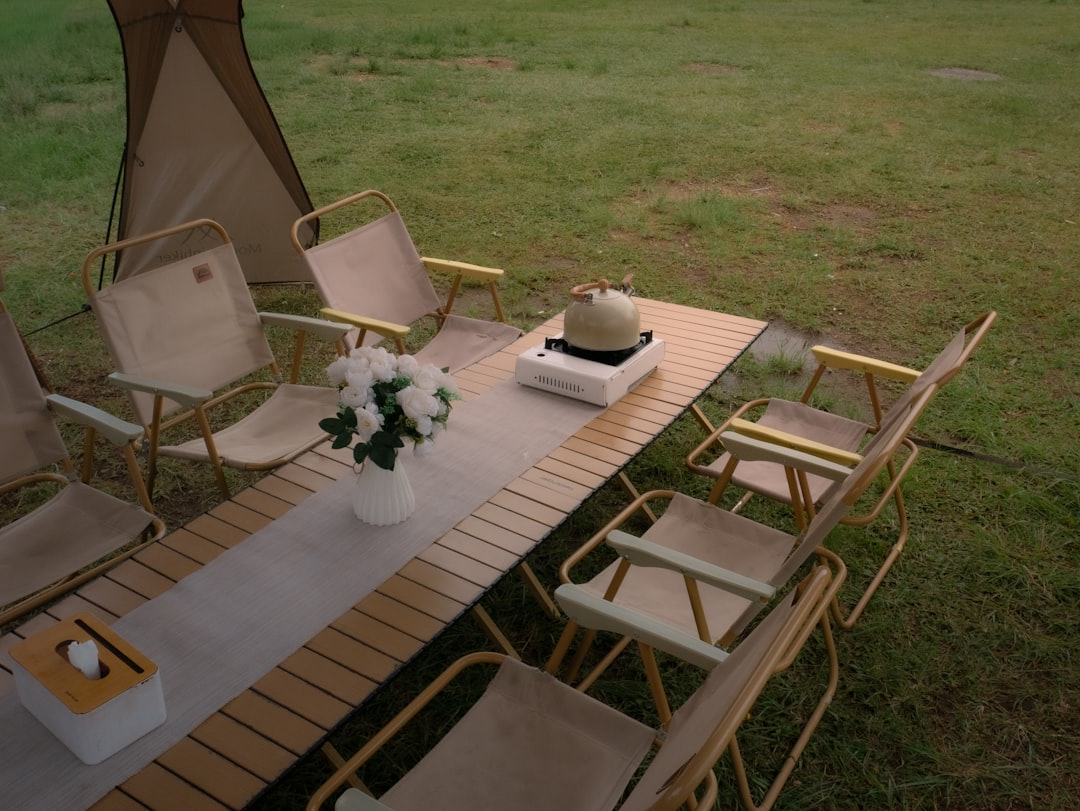
Camping is an exhilarating way to connect with nature, but packing for it can often feel overwhelming. Many campers struggle with what to bring, leading to either overpacking or forgetting essential items. Understanding how to pack efficiently can transform your camping experience from chaotic to enjoyable, allowing you to focus on the adventure ahead.
Myth: You Need to Bring Everything
One common misconception is that you must pack every possible item you might need while camping. This often leads to heavy backpacks and unnecessary stress. The truth is, packing smartly means prioritizing essential gear and leaving behind non-essentials. Focus on versatile items that can serve multiple purposes, such as a multi-tool or a sleeping bag that can double as a blanket.
Overpacking can also lead to discomfort on the trail. Carrying a heavy load can cause fatigue and make hiking less enjoyable. Instead, create a checklist of must-have items and stick to it. This way, you can ensure you have everything you need without the burden of excess weight.
Myth: All Camping Gear is Bulky
Another myth is that camping gear is always bulky and cumbersome. Many people believe that to have quality equipment, they must sacrifice space and convenience. However, advancements in outdoor gear technology have led to the creation of lightweight and compact options that do not compromise on quality. Brands like Zenith Seekers offer a range of gear designed for easy transport without sacrificing functionality.
Investing in high-quality, lightweight gear can significantly enhance your camping experience. Items like inflatable sleeping pads and compact cooking systems can save space and weight in your pack. By choosing gear that is designed for portability, you can enjoy a hassle-free camping experience without feeling weighed down.
Myth: You Can’t Camp Without a Tent
Many novice campers believe that a tent is an absolute necessity for camping. While tents provide shelter, they are not the only option available. The truth is, there are various ways to enjoy the outdoors, including hammocks, tarps, or even sleeping under the stars. Each option has its benefits and can cater to different camping styles and preferences.
For instance, hammocks are lightweight and easy to set up, making them a great alternative for those who want to travel light. They also offer a unique way to experience nature, allowing you to sway gently while listening to the sounds of the wilderness. Exploring different shelter options can enhance your camping experience and allow for greater flexibility in your packing strategy.
Myth: You Don’t Need to Plan Meals
Many campers underestimate the importance of meal planning for their trips. The myth that you can just wing it when it comes to food can lead to poor choices and wasted time. The truth is, planning your meals in advance can save you time and ensure you have nutritious options while enjoying the great outdoors. Consider preparing simple, easy-to-cook meals that require minimal ingredients.
Pre-packaging meals in resealable bags can also streamline your cooking process. This not only saves space but also reduces the amount of cleanup required at the campsite. By planning your meals, you can focus more on enjoying your time outdoors rather than stressing over what to eat.
Myth: Camping is Only for the Summer
Another common misconception is that camping is a seasonal activity limited to the summer months. Many people believe that once the weather turns cold, camping is off the table. However, winter camping can be a magical experience if done correctly. The truth is, with the right gear and preparation, camping can be enjoyed year-round.
Winter camping requires specific gear, such as four-season tents and sleeping bags rated for low temperatures. Embracing the colder months can lead to fewer crowds and a unique perspective on nature. With proper planning and the right equipment, you can enjoy the tranquility and beauty of winter camping.